
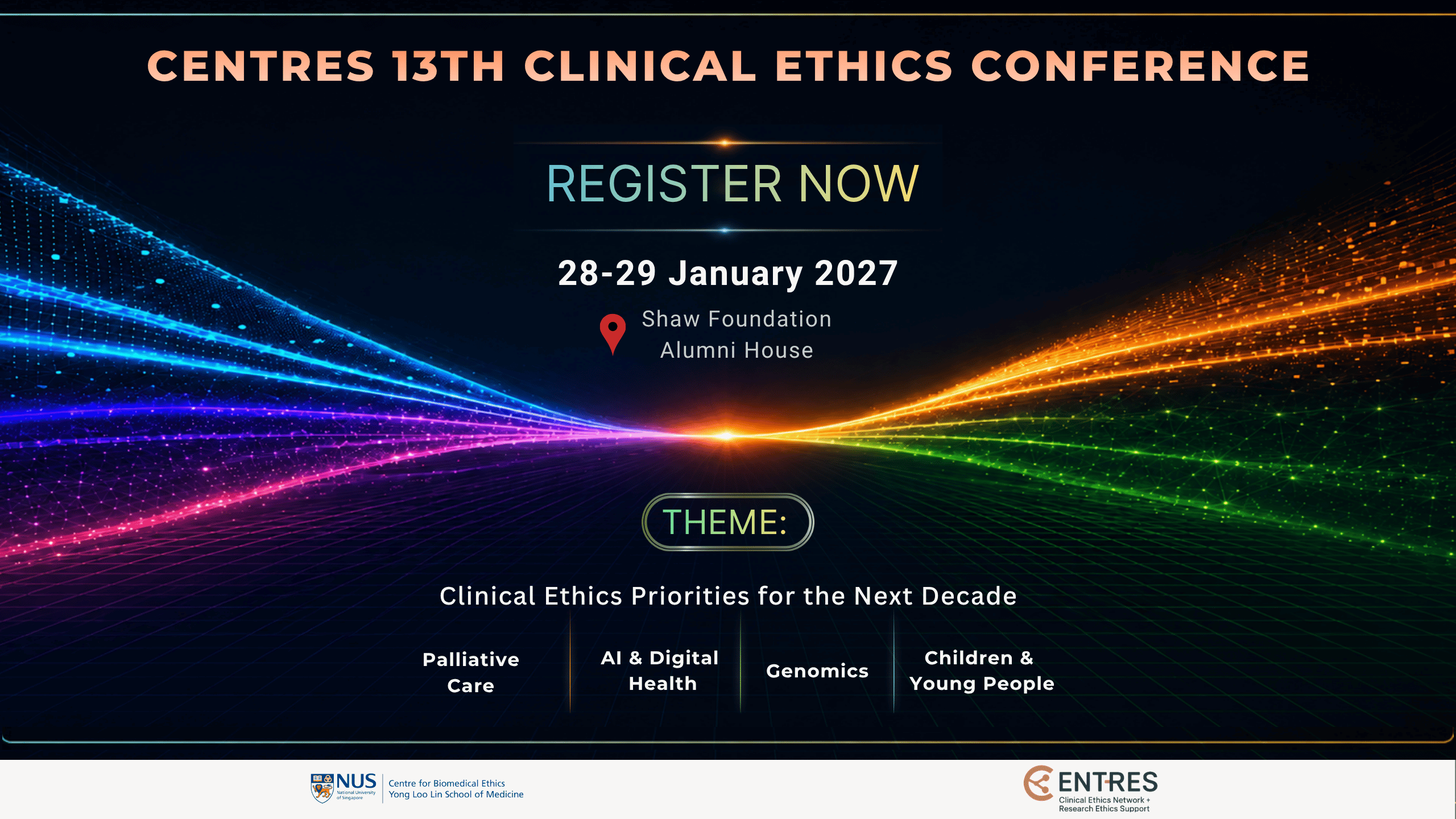
CENTRES 13th Clinical Ethics Conference 2027
28 & 29 January 2027
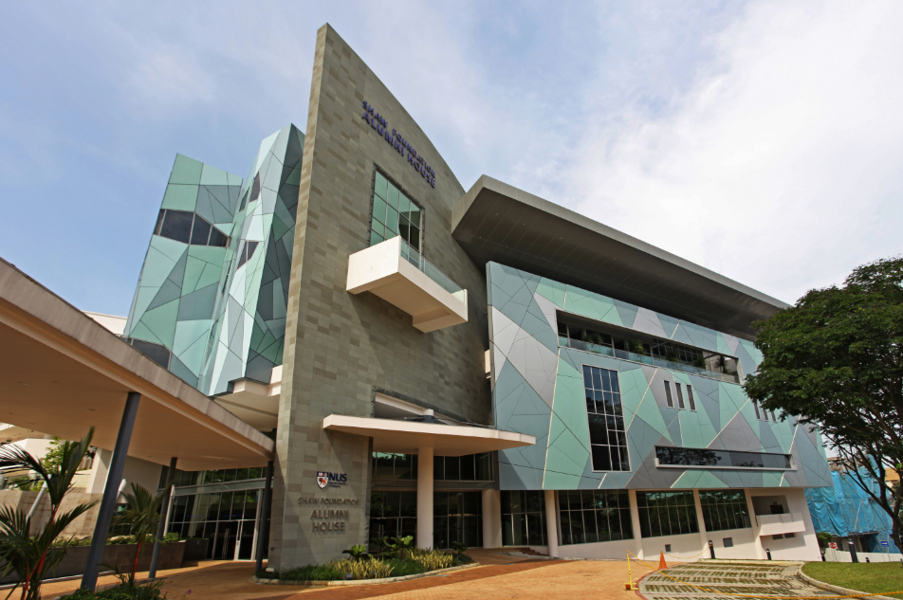
Shaw Foundation Alumni House, Singapore
Shaw Foundation Alumni House, Singapore
Seats are limited. Registration is offered at no charge and is subject to confirmation.
About the Conference
Clinical Ethics Priorities for the Next Decade – Palliative Care, AI & Digital Health, Genomics, Children & Young People
This two-day CENTRES Clinical Ethics Conference is organised around four areas of clinical ethics likely to shape healthcare over the next decade. The programme moves from broad agenda-setting questions to practical challenges, including defining ethical boundaries, managing relationships and trust, responding to exceptional situations, considering contested frontiers, navigating complex systems, and strengthening governance for sustainable care.
Each day begins and ends with plenary sessions that bring all participants together. Between these sessions, participants may choose from parallel sessions across the four tracks, either following one track throughout the conference or moving between tracks according to their interests. The four plenaries frame the conference as a whole by setting the agenda, highlighting cross-cutting issues, and connecting the parallel tracks to wider questions of trust, digital transformation, mental health, and future care.
This two-day CENTRES Clinical Ethics Conference is organised around four areas of clinical ethics likely to shape healthcare over the next decade. The programme moves from broad agenda-setting questions to practical challenges, including defining ethical boundaries, managing relationships and trust, responding to exceptional situations, considering contested frontiers, navigating complex systems, and strengthening governance for sustainable care.
Each day begins and ends with plenary sessions that bring all participants together. Between these sessions, participants may choose from parallel sessions across the four tracks, either following one track throughout the conference or moving between tracks according to their interests. The four plenaries frame the conference as a whole by setting the agenda, highlighting cross-cutting issues, and connecting the parallel tracks to wider questions of trust, digital transformation, mental health, and future care.
Why You Should Attend
Participants will have opportunities to:
- Explore issues in clinical ethics that are likely to shape the healthcare landscape over the next decade.
- Engage with leading experts across healthcare, law, ethics, academia, and public policy.
- Discuss real-world cases based on issues pertaining to end-of-life care, AI and digital health, genomics, and care for children and young people.
- Exchange ideas and perspectives with colleagues and professionals involved in clinical ethics, healthcare delivery, governance, and policymaking.
Who Should Attend
Clinical Ethics Committee (CEC) chairpersons and members, doctors, nurses, medical social workers, allied health professionals, lawyers, academics, care workers and policy makers.
One Conference, Four Tracks
Each day begins and ends with plenary sessions that bring all participants together. Between these sessions, participants may choose from parallel sessions across the four tracks, either following one track throughout the conference or moving between tracks according to their interests. The four plenaries frame the conference as a whole by setting the agenda, highlighting cross-cutting issues, and connecting the parallel tracks to wider questions of trust, digital transformation, mental health, and future care.
Tracks
A. Palliative & End-of-Life Ethics
Palliative care, end-of-life decision-making, assisted dying, later-life mental health, law and policy.
Palliative care, end-of-life decision-making, assisted dying, later-life mental health, law and policy.
B. AI & Digital Health
AI advice, learning health systems, data access, AI-related harm, monitoring and governance
AI advice, learning health systems, data access, AI-related harm, monitoring and governance
C. Genomics / Precision Medicine
Genetic information, family communication, consent, the right not to know, innovative therapies and equity.
Genetic information, family communication, consent, the right not to know, innovative therapies and equity.
D. Children & Young People
Mature minors, adolescent help-seeking, youth mental health, refusal, contested care and transition.
Mature minors, adolescent help-seeking, youth mental health, refusal, contested care and transition.
Programme Overview
Conference sessions will be conducted in four venues: Sesame, Saffron, and Sage on Level 1, and the Auditorium on Level 2. Participants are welcome to move between parallel sessions over the two-day programme.
28 January 2027
*Programme details are subject to change
| Time | Programme | Day 1 | |||
|---|---|---|---|---|
| 8.30am to 9.00am | Registration | Level 2 | |||
| 9.00am to 9.15am |
Opening Address | Auditorium
|
|||
| 9.15am to 10.00am |
Plenary 1 | Auditorium
|
|||
| 10.00am to 10.30am | Morning Tea | |||
| 10.30am to 12.15pm | Auditorium | Sesame | Saffron | Sage |
|
|
|
|
|
| A1: Palliative Care Under Pressure: Proportionality, Suffering and “Doing Enough” | B1: Clinical AI as “Advice”: Bias, Reliability, Accountability — What Clinicians Can and Should Not Outsource | C1: Genetic Information in Precision Medicine: Building Trust, Sustaining Uptake and Ensuring Equity | D1: Mature Minors: Competence, Assent/Dissent and Thresholds for Parental Involvement | |
| 12.15pm to 1.30pm | Lunch | |||
| 1.30pm to 3.00pm | Auditorium | Sesame | Saffron | Sage |
|
|
|
|
|
| A2: Families, Fear and “Do Everything”: Ethics of Disagreement in Palliative Care | B2: Learning Health Systems and “Silent” Evaluation: Ethics of Embedded Trials, Consent and Oversight | C2: Cascade Testing and Family Communication: Confidentiality vs Prevention and Refusals to Inform | D2: Adolescent Help-Seeking, Confidentiality and Parental Involvement: Ethics of First Contact Across Clinic, Family, School and Community | |
| 3.00pm to 3.20pm | Afternoon Tea | |||
| 3.20pm to 4.00pm | Auditorium | Sesame | Saffron | Sage |
|
|
|
|
|
| A3: Discharge and “Unsafe” Transfers Against Medical Advice: Ethics, Capacity and Accountability | B3: “Break Glass” and Beyond: Sensitive Notes, Emergency Access and Auditability | C3: The Right Not to Know in Genomic Medicine: Refusal, Deferral and Respectful Care | D3: Youth Mental Health in Practice: Risk, Consent and Safe Escalation | |
| 4.00pm to 5.00pm |
Plenary 2 | Auditorium
|
|||
| End of Day 1 | ||||
29 January 2027
*Programme details are subject to change
| Time | Programme | Day 2 | |||
|---|---|---|---|---|
| 8.30am to 9.00am | Registration | Level 2 | |||
| 9.00am to 10.00am |
Plenary 3 | Auditorium
|
|||
| 10.00am to 10.30am | Morning Tea | |||
| 10.30am to 12.15pm | Auditorium | Sesame | Saffron | Sage |
|
|
|
|
|
| A4: Assisted Dying in a Super-Aged Singapore? Ethics, Safeguards and Professional Responsibility | B4: Patient Harm and Responsibility: What Clinicians and Institutions Need to Know | C4: Consent for Genomic Testing in the Real World: Uncertainty, Expectations and Ongoing Responsibilities | D4: Prevention Under Fire: Vaccines, Vitamin K and the Ethics of Refusal | |
| 12.15pm to 1.30pm | Lunch | |||
| 1.30pm to 3.00pm | Auditorium | Sesame | Saffron | Sage |
|
|
|
|
|
| A5: Palliative Psychiatry and Late-Life Mental Health: Capacity, Risk and Decision-Making | B5: When Clinical AI Is Already in Use: Monitoring Safety, Bias and When to Pause or Stop | C5: Innovative Genome Therapies in Practice: Hope, Hype and Fair Access | D5: Gender-Affirming Care for Young People: Contested Decisions, Safeguarding and Clinical Responsibility | |
| 3.00pm to 3.20pm | Afternoon Tea | |||
| 3.20pm to 4.00pm | Auditorium | Sesame | Saffron | Sage |
|
|
|
|
|
| A6: End-of-Life Law and Policy: What Healthcare Professionals Need Now — and What to Park as a Watching Brief | B6: Ethical Deployment of AI: Justification, Transparency and Safe Use in the Care Pathway | C6: Equity and Prioritisation in Precision Medicine: Who Benefits, Who Pays and What Is Fair? | D6: Transition to Adult Services: Confidentiality, Continuity and Supported Autonomy at the Boundary | |
| 4.00pm to 5.00pm |
Plenary 4 | Auditorium
|
|||
| End of Day 2 | ||||
Parallel Sessions
*Programme details are subject to change
| When | A: Palliative / EOL | B: AI / Digital Health | C: Genomics | D: Children / Young People |
|---|---|---|---|---|
| Day 1, 10.30am to 12.15pm | A1: Palliative care under pressure | B1: Clinical reliance on AI advice | C1: Trust and responsible use of genetic information | D1: Mature minors, assent/dissent and parental involvement |
| Day 1, 1.30pm to 3.00pm | A2: Disagreement over “do everything” treatment | B2: Learning health systems and embedded evaluation | C2: Cascade testing and family communication | D2: Adolescent help-seeking and first contact |
| Day 1, 3.20pm to 4.00pm | A3: Discharge or transfer against medical advice | B3: Emergency access and auditability | C3: The right not to know genomic information | D3: Youth mental health risk and escalation |
| Day 2, 10.30am to 12.15pm | A4: Assisted dying as a contested frontier | B4: Responsibility after AI contributes to patient harm | C4: Consent for genomic testing under uncertainty | D4: Refusal of preventive interventions |
| Day 2, 1.30pm to 3.00pm | A5: Psychiatric complexity in later-life and palliative care | B5: Monitoring deployed AI and deciding when to pause or stop | C5: Fair access to innovative genome therapies | D5: Contested gender-affirming care |
| Day 2, 3.20pm to 4.00pm | Practical talk + Q&A (30 mins talk + 10 mins Q&A) | B6: Institutional standards for AI deployment and governance | C6: Financing & prioritisation in precision medicine | D6: Transition to adult services |
Speakers
Guest of Honour
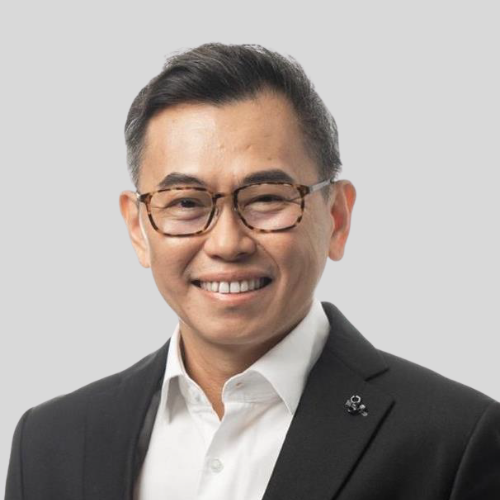
Adjunct Professor (Dr) Raymond Chua Swee Boon | Health Sciences Authority, Singapore
Chief Executive Officer, Health Sciences Authority, Singapore; Deputy Director-General of Health, Health Regulation, Ministry of Health (MOH), Singapore
Profile
Raymond Chua Swee Boon is a public health trained physician and presently the Deputy Director-General of Health (Health Regulation) at Singapore’s Ministry of Health (MoH) and the Chief Executive Officer of the Health Sciences Authority (HSA), overseeing the regulations of healthcare services, information and health products respectively. He is currently leading a regulatory transformation review to synergize regulatory operations across healthcare services, information, and products. With over 25 years of experience in both public healthcare and the private pharmaceutical sector, he has driven transformative regulatory initiatives, including the enactment of the Human Biomedical Research Act and the Healthcare Services Act, which modernized Singapore’s healthcare regulatory framework. He pioneered regulatory sandboxes for innovations such as telemedicine, mobile inpatient care-at-home, and clinical genomic services, and introduced governance measures for emerging technologies like precision medicine and AI. During the COVID-19 pandemic, he served as Deputy Commander of the Medical Operations Taskforce, playing a key role in clinical operations, testing infrastructure, and enforcement of control orders. Raymond holds adjunct positions at the NUS Saw Swee Hock School of Public Health and Duke-NUS Centre of Regulatory Excellence, and academic credentials including a Bachelor of Medicine and Surgery from NUS, an MSc in Public Health from the London School of Hygiene and Tropical Medicine, and an MBA from the University of Nottingham.
Profile
Raymond Chua Swee Boon is a public health trained physician and presently the Deputy Director-General of Health (Health Regulation) at Singapore’s Ministry of Health (MoH) and the Chief Executive Officer of the Health Sciences Authority (HSA), overseeing the regulations of healthcare services, information and health products respectively. He is currently leading a regulatory transformation review to synergize regulatory operations across healthcare services, information, and products. With over 25 years of experience in both public healthcare and the private pharmaceutical sector, he has driven transformative regulatory initiatives, including the enactment of the Human Biomedical Research Act and the Healthcare Services Act, which modernized Singapore’s healthcare regulatory framework. He pioneered regulatory sandboxes for innovations such as telemedicine, mobile inpatient care-at-home, and clinical genomic services, and introduced governance measures for emerging technologies like precision medicine and AI. During the COVID-19 pandemic, he served as Deputy Commander of the Medical Operations Taskforce, playing a key role in clinical operations, testing infrastructure, and enforcement of control orders. Raymond holds adjunct positions at the NUS Saw Swee Hock School of Public Health and Duke-NUS Centre of Regulatory Excellence, and academic credentials including a Bachelor of Medicine and Surgery from NUS, an MSc in Public Health from the London School of Hygiene and Tropical Medicine, and an MBA from the University of Nottingham.
Day 1 Opening Plenary
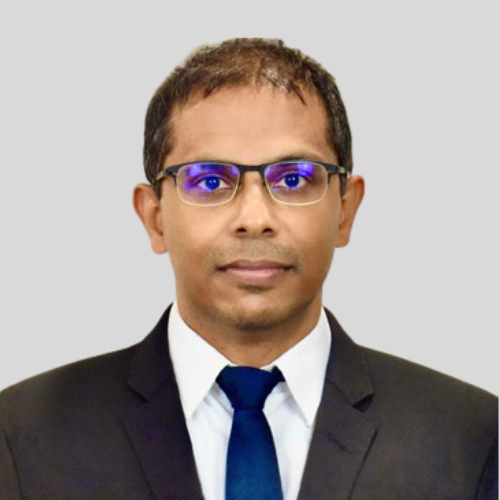
A/Prof Devanand Anantham
Chair, National Medical Ethics Committee, Singapore; Head, SingHealth Duke-NUS Lung Centre; Senior Consultant, Department of Respiratory and Critical Care Medicine, Singapore General Hospital; Director, SingHealth Duke-NUS Medical Humanities Institute; and Executive Director, Singapore Medical Association Centre for Medical Ethics and Professionalism, Singapore
Profile
Associate Professor Anantham Devanand is a Senior Consultant at Singapore General Hospital and Head of SingHealth Duke-NUS Lung Centre. He has trained in lung endoscopy at Beth Israel Deaconess Medical Centre, Harvard Medical School and Thoraxklinik, University of Heidelberg. His clinical interests include lung cancer, respiratory endoscopy, pleural diseases, smoking cessation, and sarcoidosis. He is the chair of the National Medical Ethics Committee and serves as Director of the SingHealth Duke-NUS Medical Humanities Institute and Executive Director of Centre of Medical Ethics and Professionalism at the Singapore Medical Association. He has a PhD in medical ethics from the Yong Loo Lin School of Medicine at the National University of Singapore and his dissertation was on medical decision-making in chronic diseases and the regulatory standards of medical advice.
Profile
Associate Professor Anantham Devanand is a Senior Consultant at Singapore General Hospital and Head of SingHealth Duke-NUS Lung Centre. He has trained in lung endoscopy at Beth Israel Deaconess Medical Centre, Harvard Medical School and Thoraxklinik, University of Heidelberg. His clinical interests include lung cancer, respiratory endoscopy, pleural diseases, smoking cessation, and sarcoidosis. He is the chair of the National Medical Ethics Committee and serves as Director of the SingHealth Duke-NUS Medical Humanities Institute and Executive Director of Centre of Medical Ethics and Professionalism at the Singapore Medical Association. He has a PhD in medical ethics from the Yong Loo Lin School of Medicine at the National University of Singapore and his dissertation was on medical decision-making in chronic diseases and the regulatory standards of medical advice.
Day 1 Closing Plenary
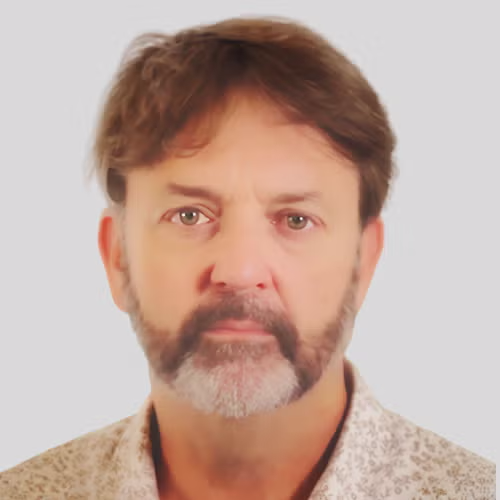
Prof John McMillan
Professor, Bioethics Centre, Dunedin School of Medicine, University of Otago, New Zealand
Profile
John McMillan will take up his appointment as Professor at the Centre for Biomedical Ethics, National University of Singapore, in December 2026. He is the author of The Methods of Bioethics: An Essay in Metabioethics (OUP, 2018), and his most recent book is Methodological Issues in Neuroethics: The Case of Responsibility (CUP, 2024). He recently completed a seven-year term as Editor-in-Chief of the Journal of Medical Ethics. He was Chair of New Zealand’s National Ethics Advisory Committee when it produced Finding Balance: Ethical Principles for Epidemics and Pandemics.
Profile
John McMillan will take up his appointment as Professor at the Centre for Biomedical Ethics, National University of Singapore, in December 2026. He is the author of The Methods of Bioethics: An Essay in Metabioethics (OUP, 2018), and his most recent book is Methodological Issues in Neuroethics: The Case of Responsibility (CUP, 2024). He recently completed a seven-year term as Editor-in-Chief of the Journal of Medical Ethics. He was Chair of New Zealand’s National Ethics Advisory Committee when it produced Finding Balance: Ethical Principles for Epidemics and Pandemics.
Day 2 Opening Plenary

A/Prof Michael Dunn
Associate Professor and Co-Director of Education, Centre for Biomedical Ethics (CBmE), NUS, Singapore
Profile
Dr Michael Dunn is an Associate Professor and the Director of Education at the Centre for Biomedical Ethics (CBmE), NUS Yong Loo Lin School of Medicine. He earned his undergraduate and postgraduate degrees from the University of Cambridge. Prior to joining NUS in 2022, he worked for over a decade at the Ethox Centre, University of Oxford, where he remains an Associate Faculty member. He has also held visiting academic positions in Japan, Hong Kong, the USA, the Netherlands, and Norway.
Michael’s interdisciplinary research integrates philosophical, legal, and qualitative methods to examine a range of contemporary ethical challenges in health and social care practice, policy, and regulation. A key contributor to shaping the sub-field of empirical bioethics, he has published over 100 journal articles and book chapters as well as 6 books, securing more than S$8 million in competitive grants to support more than 20 research projects.
In education, Dr Dunn leads CBmE’s undergraduate program in health ethics, law, and professionalism for nearly 3,000 healthcare students across NUS. He also teaches postgraduate courses on the foundations and methods of bioethics, ageing, and AI/health data ethics, and has supervised 13 PhD students.
Profile
Dr Michael Dunn is an Associate Professor and the Director of Education at the Centre for Biomedical Ethics (CBmE), NUS Yong Loo Lin School of Medicine. He earned his undergraduate and postgraduate degrees from the University of Cambridge. Prior to joining NUS in 2022, he worked for over a decade at the Ethox Centre, University of Oxford, where he remains an Associate Faculty member. He has also held visiting academic positions in Japan, Hong Kong, the USA, the Netherlands, and Norway.
Michael’s interdisciplinary research integrates philosophical, legal, and qualitative methods to examine a range of contemporary ethical challenges in health and social care practice, policy, and regulation. A key contributor to shaping the sub-field of empirical bioethics, he has published over 100 journal articles and book chapters as well as 6 books, securing more than S$8 million in competitive grants to support more than 20 research projects.
In education, Dr Dunn leads CBmE’s undergraduate program in health ethics, law, and professionalism for nearly 3,000 healthcare students across NUS. He also teaches postgraduate courses on the foundations and methods of bioethics, ageing, and AI/health data ethics, and has supervised 13 PhD students.
Day 2 Closing Plenary
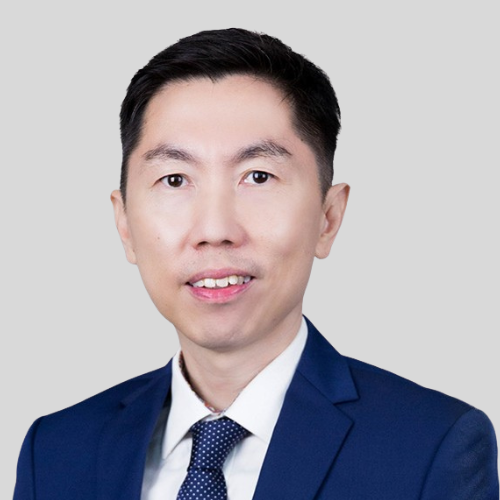
Dr Giles Tan Ming Yee
Assistant Chairman, Medical Board (Clinical Quality & Safety), and Senior Consultant, Institute of Mental Health; President, College of Psychiatrists, Academy of Medicine; Associate Director, Singapore Medical Association Centre for Medical Ethics & Professionalism, Singapore
Profile
Dr Giles Tan Ming Yee is Assistant Chairman of the Medical Board for Clinical Quality and Safety and Senior Consultant in the Department of Developmental Psychiatry and East Region at the Institute of Mental Health, Singapore. A Fellow of both the Royal College of Psychiatrists and the Academy of Medicine, Singapore, his clinical interests include developmental psychiatry and adult neurodevelopmental conditions.
He is the President of the College of Psychiatrists, Academy of Medicine, Singapore, and Associate Director of the Singapore Medical Association Centre for Medical Ethics and Professionalism, where he contributes to professional education and discourse in medical ethics, mental capacity and the care of vulnerable persons.
He chairs the Institute of Mental Health Clinical Ethics Committee, with interests in mental capacity, confidentiality, ethical decision-making and the care of vulnerable persons.
Profile
Dr Giles Tan Ming Yee is Assistant Chairman of the Medical Board for Clinical Quality and Safety and Senior Consultant in the Department of Developmental Psychiatry and East Region at the Institute of Mental Health, Singapore. A Fellow of both the Royal College of Psychiatrists and the Academy of Medicine, Singapore, his clinical interests include developmental psychiatry and adult neurodevelopmental conditions.
He is the President of the College of Psychiatrists, Academy of Medicine, Singapore, and Associate Director of the Singapore Medical Association Centre for Medical Ethics and Professionalism, where he contributes to professional education and discourse in medical ethics, mental capacity and the care of vulnerable persons.
He chairs the Institute of Mental Health Clinical Ethics Committee, with interests in mental capacity, confidentiality, ethical decision-making and the care of vulnerable persons.
Speakers
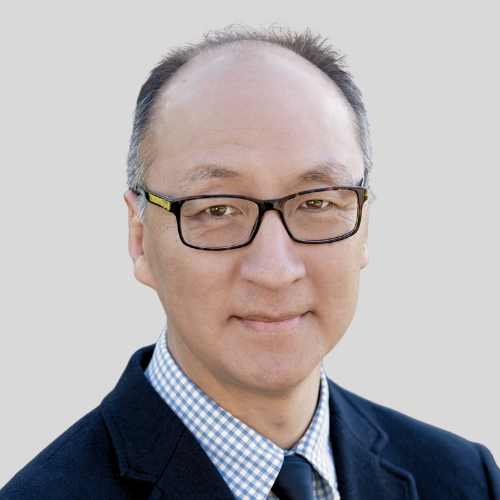
Professor Insoo Hyun
Director, Center for Life Sciences and Public Learning, Museum of Science, USA; Bioethics Affiliate, Center for Bioethics, Harvard Medical School, USA
Profile
Professor Insoo Hyun is a Senior Researcher at The Hastings Center and an Affiliate of the Center for Bioethics at Harvard Medical School. He is the former Director of Research Ethics at Harvard Medical School and previously taught as a Senior Lecturer in the Department of Global Health and Social Medicine. Prior to his appointments at Harvard, Professor Hyun was Professor of Bioethics and Philosophy at Case Western Reserve University School of Medicine, where he taught undergraduate, graduate and medical students for more than 18 years.
Professor Hyun’s research interests include stem cell ethics and policy, the clinical translation and ethical implementation of emerging technologies such as bio- and tissue-engineering, and medical AI. In recent years, he was Principal Investigator of an NIH BRAIN Initiative-funded project exploring the scientific and ethical issues surrounding human brain organoid research, in collaboration with labs headed by Harvard’s Paola Arlotta and George Church and Stanford’s Sergiu Pasca. He was also Principal Investigator on a Greenwall Foundation grant exploring ethics.
Profile
Professor Insoo Hyun is a Senior Researcher at The Hastings Center and an Affiliate of the Center for Bioethics at Harvard Medical School. He is the former Director of Research Ethics at Harvard Medical School and previously taught as a Senior Lecturer in the Department of Global Health and Social Medicine. Prior to his appointments at Harvard, Professor Hyun was Professor of Bioethics and Philosophy at Case Western Reserve University School of Medicine, where he taught undergraduate, graduate and medical students for more than 18 years.
Professor Hyun’s research interests include stem cell ethics and policy, the clinical translation and ethical implementation of emerging technologies such as bio- and tissue-engineering, and medical AI. In recent years, he was Principal Investigator of an NIH BRAIN Initiative-funded project exploring the scientific and ethical issues surrounding human brain organoid research, in collaboration with labs headed by Harvard’s Paola Arlotta and George Church and Stanford’s Sergiu Pasca. He was also Principal Investigator on a Greenwall Foundation grant exploring ethics.

Asst Prof G. Owen Schaefer
Assistant Professor, Centre for Biomedical Ethics (CBmE), NUS, Singapore
Profile
Assistant Professor G. Owen Schaefer was appointed Assistant Professor at the Centre for Biomedical Ethics in 2020. He is currently Director of the Phase II Health ethics, Law and Professionalism (HeLP) curriculum. Owen’s research interests cover ethical issues raised by the development of novel biotechnologies.
Before beginning his graduate work, Owen spent two years at the Department of Bioethics at the National Institutes of Health in the US as a pre-doctoral fellow. There, he received training in research ethics, was involved in the department’s ethics consultation service, and published several academic articles. He then went on to read for BPhil and DPhil degrees in philosophy at Oxford, writing a dissertation on moral enhancement. Immediately prior to joining the CBmE, he spent a year as a post-doc at the Oxford Centre for Neuroethics researching the implications of various novel biotechnologies.
Profile
Assistant Professor G. Owen Schaefer was appointed Assistant Professor at the Centre for Biomedical Ethics in 2020. He is currently Director of the Phase II Health ethics, Law and Professionalism (HeLP) curriculum. Owen’s research interests cover ethical issues raised by the development of novel biotechnologies.
Before beginning his graduate work, Owen spent two years at the Department of Bioethics at the National Institutes of Health in the US as a pre-doctoral fellow. There, he received training in research ethics, was involved in the department’s ethics consultation service, and published several academic articles. He then went on to read for BPhil and DPhil degrees in philosophy at Oxford, writing a dissertation on moral enhancement. Immediately prior to joining the CBmE, he spent a year as a post-doc at the Oxford Centre for Neuroethics researching the implications of various novel biotechnologies.

A/Prof Chan Mei Yoke
Senior Consultant, Haematology/Oncology Service, KK Women’s and Children’s Hospital, Singapore
Profile
Associate Professor Chan Mei Yoke MBBS, MMed (Paeds), MRCP, FRCPCH, MBE
graduated from the National University of Singapore with a Bachelor of Medicine and Bachelor of Surgery. She trained in Paediatrics in Singapore and subspecialised in Paediatric Haematology/Oncology in Royal Marsden Hospital and Great Ormond Street Hospital in London, United Kingdom. She has an interest in Paediatric Palliative Care and helped set up a comprehensive paediatric palliative care service in KK Women’s and Children’s Hospital (KKH) in Singapore in 2004. She also has a keen interest in medical ethics due to the nature of her work and obtained a Masters in Bioethics from Harvard University, USA in 2022.
She is currently a Senior Consultant in Paediatric Haematology/Oncology and is the Chair of the Hospital Clinical Ethics Committee in KKH.
Profile
Associate Professor Chan Mei Yoke MBBS, MMed (Paeds), MRCP, FRCPCH, MBE
graduated from the National University of Singapore with a Bachelor of Medicine and Bachelor of Surgery. She trained in Paediatrics in Singapore and subspecialised in Paediatric Haematology/Oncology in Royal Marsden Hospital and Great Ormond Street Hospital in London, United Kingdom. She has an interest in Paediatric Palliative Care and helped set up a comprehensive paediatric palliative care service in KK Women’s and Children’s Hospital (KKH) in Singapore in 2004. She also has a keen interest in medical ethics due to the nature of her work and obtained a Masters in Bioethics from Harvard University, USA in 2022.
She is currently a Senior Consultant in Paediatric Haematology/Oncology and is the Chair of the Hospital Clinical Ethics Committee in KKH.
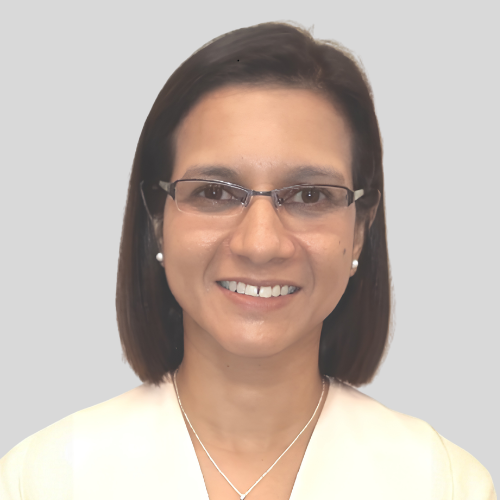
Dr Kumudhini Rajasegaran
Senior Consultant, Adolescent Medicine Service, KK Women’s and Children’s Hospital; Adjunct Assistant Professor, Duke-NUS Medical School
Profile
Dr. Kumudhini Rajasegaran is a paediatrician and Senior Consultant in the Adolescent Medicine Service at KK Women’s and Children’s Hospital (KKH). Dr. Kumu is also a member of the Clinical Ethics Committee at KKH, one of the lead clinicians of the Suspected Child Abuse and Neglect Team, and an Adjunct Assistant Professor at Duke-NUS Medical School and the Lee Kong Chian School of Medicine, NTU.
She received her medical training at University College Dublin, Ireland. Dr. Kumu successfully developed Adolescent Medicine as a distinct subspecialty and multidisciplinary service. She also played a key role in the development and growth of specialised obesity and eating disorder programmes within KKH.
She has been involved in projects aimed at strengthening communication and collaboration across community resources and government agencies to improve care for children and adolescents. She currently serves as Vice Chair of the Clinical Ethics Committee at KKH.
Profile
Dr. Kumudhini Rajasegaran is a paediatrician and Senior Consultant in the Adolescent Medicine Service at KK Women’s and Children’s Hospital (KKH). Dr. Kumu is also a member of the Clinical Ethics Committee at KKH, one of the lead clinicians of the Suspected Child Abuse and Neglect Team, and an Adjunct Assistant Professor at Duke-NUS Medical School and the Lee Kong Chian School of Medicine, NTU.
She received her medical training at University College Dublin, Ireland. Dr. Kumu successfully developed Adolescent Medicine as a distinct subspecialty and multidisciplinary service. She also played a key role in the development and growth of specialised obesity and eating disorder programmes within KKH.
She has been involved in projects aimed at strengthening communication and collaboration across community resources and government agencies to improve care for children and adolescents. She currently serves as Vice Chair of the Clinical Ethics Committee at KKH.
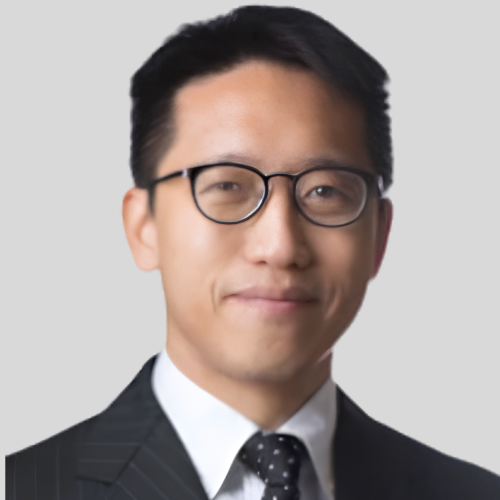
Asst Prof Peter Chow Chiu Leung
Senior Consultant, Geriatric Medicine Chairperson, Changi General Hospital Clinical Ethics Committee Co-Lead, Bioethics, Singhealth Duke- NUS Medical Humanities Institute
Profile
Dr Peter Chow is a Senior Consultant with the Department of Geriatric Medicine at Changi General Hospital (CGH). Raised in Hong Kong*, Dr Chow studied medicine at the Chinese University of Hong Kong* before completing his specialist training in Singapore. He further undertook medical humanities studies in London and obtained a Master in Medical Law and Ethics (LLM) from the University of Edinburgh.
As the Chairperson of the Clinical Ethics Committee in CGH, Dr Chow is actively involved in this field. He was appointed Deputy Academic Advisor and Lecturer at the Centre of Medical Ethics and Professionalism (CMEP) of the Singapore Medical Association, as well as the Co-Lead for Bioethics at the SingHealth Duke-NUS Medical Humanities Institute.
Dr Chow focuses on cognitive disorders in geriatric medicine at CGH’s Memory Clinic – managing dementia, the behavioural and psychological symptoms of dementia, as well as nutrition and swallowing conditions in elderly patients. Beyond his clinical role at CGH, Dr Chow is also an educator, serving as Adjunct Lecturer at the Lee Kong Chian School of Medicine, Nanyang Technological University, and Education Lead for Year 4 medical students on attachment to the Department of Geriatric Medicine in CGH.
Profile
Dr Peter Chow is a Senior Consultant with the Department of Geriatric Medicine at Changi General Hospital (CGH). Raised in Hong Kong*, Dr Chow studied medicine at the Chinese University of Hong Kong* before completing his specialist training in Singapore. He further undertook medical humanities studies in London and obtained a Master in Medical Law and Ethics (LLM) from the University of Edinburgh.
As the Chairperson of the Clinical Ethics Committee in CGH, Dr Chow is actively involved in this field. He was appointed Deputy Academic Advisor and Lecturer at the Centre of Medical Ethics and Professionalism (CMEP) of the Singapore Medical Association, as well as the Co-Lead for Bioethics at the SingHealth Duke-NUS Medical Humanities Institute.
Dr Chow focuses on cognitive disorders in geriatric medicine at CGH’s Memory Clinic – managing dementia, the behavioural and psychological symptoms of dementia, as well as nutrition and swallowing conditions in elderly patients. Beyond his clinical role at CGH, Dr Chow is also an educator, serving as Adjunct Lecturer at the Lee Kong Chian School of Medicine, Nanyang Technological University, and Education Lead for Year 4 medical students on attachment to the Department of Geriatric Medicine in CGH.
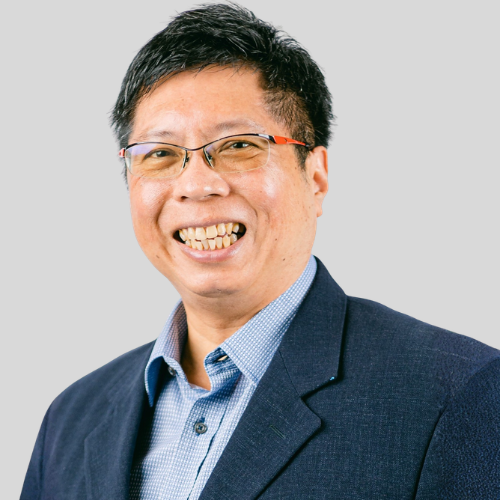
Professor Tai E Shyong
Professor, Yong Loo Lin School of Medicine and Saw Swee Hock School of Public Health, National University of Singapore; Senior Consultant, Division of Endocrinology, National University Hospital; Chief Medical Officer, Precision Health Research, Singapore (PRECISE)
Profile
Professor Tai E Shyong is Senior Consultant in the Division of Endocrinology at the National University Hospital, Joint Professor at the Saw Swee Hock School of Public Health, and Honorary Joint Professor at the Centre for Biomedical Ethics.
His major research interests include diabetes mellitus, dyslipidaemia, and their relationship with atherosclerotic disease. He is involved in several large studies examining the role of genetic and environmental factors, and their interactions, in the pathogenesis of these chronic disorders. He has also contributed significantly to traditional epidemiology, including work defining the burden of disease associated with diabetes and related traits in the Asia-Pacific region.
Professor Tai is involved in clinical trials examining the effects of various treatments on cardiovascular risk factors. He also contributes to efforts to bring genomics into healthcare as part of the National Precision Medicine Program and collaborates with CBmE on the ethical and regulatory aspects of precision genomics.
He has published more than 80 articles in peer-reviewed journals.
Profile
Professor Tai E Shyong is Senior Consultant in the Division of Endocrinology at the National University Hospital, Joint Professor at the Saw Swee Hock School of Public Health, and Honorary Joint Professor at the Centre for Biomedical Ethics.
His major research interests include diabetes mellitus, dyslipidaemia, and their relationship with atherosclerotic disease. He is involved in several large studies examining the role of genetic and environmental factors, and their interactions, in the pathogenesis of these chronic disorders. He has also contributed significantly to traditional epidemiology, including work defining the burden of disease associated with diabetes and related traits in the Asia-Pacific region.
Professor Tai is involved in clinical trials examining the effects of various treatments on cardiovascular risk factors. He also contributes to efforts to bring genomics into healthcare as part of the National Precision Medicine Program and collaborates with CBmE on the ethical and regulatory aspects of precision genomics.
He has published more than 80 articles in peer-reviewed journals.
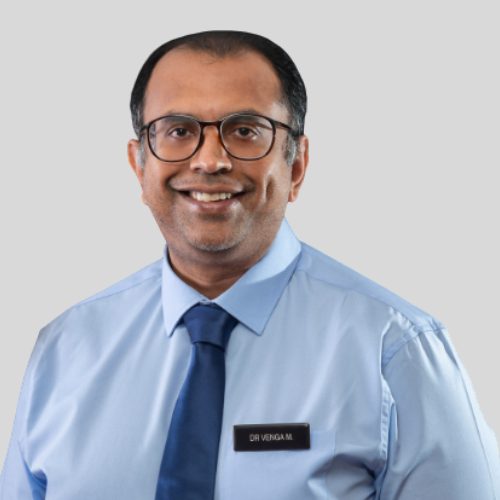
Asst Prof Vengadasalam Murugam
Co-Chair, Clinical Ethics Committee, National Cancer Centre Singapore; Senior Consultant, Supportive & Palliative Care Centre, National Cancer Centre Singapore
Profile
Dr Vengadasalam Murugam is Senior Consultant, Supportive and Palliative Care Centre, National Cancer Centre Singapore, and Senior Consultant, SingHealth Duke-NUS Supportive & Palliative Care Centre. Trained in medicine at St George’s, University of London, he completed specialist training in Internal Medicine and Palliative Medicine in Singapore. His interests span palliative care, end-of-life ethics, and professional education. Dr Venga has published on ethical issues in palliative medicine, including end-of-life decision-making and terminal discharge, and is actively involved in the training of future healthcare professionals.
Profile
Dr Vengadasalam Murugam is Senior Consultant, Supportive and Palliative Care Centre, National Cancer Centre Singapore, and Senior Consultant, SingHealth Duke-NUS Supportive & Palliative Care Centre. Trained in medicine at St George’s, University of London, he completed specialist training in Internal Medicine and Palliative Medicine in Singapore. His interests span palliative care, end-of-life ethics, and professional education. Dr Venga has published on ethical issues in palliative medicine, including end-of-life decision-making and terminal discharge, and is actively involved in the training of future healthcare professionals.
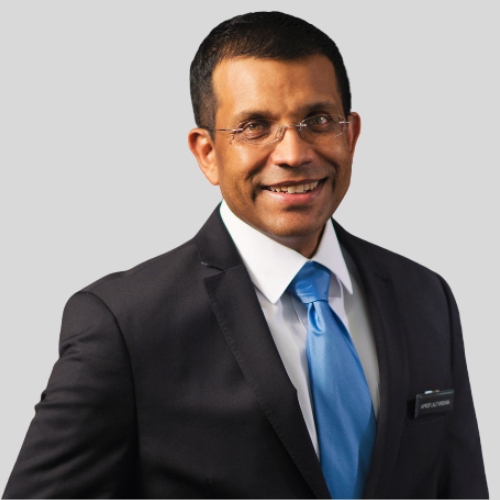
Prof Lalit Kumar Radha Krishna
Chairman, Clinical Ethics Committee, National Cancer Centre Singapore; Senior Consultant, Division of Supportive and Palliative Care, National Cancer Centre Singapore; Clinical Professor, Duke-NUS Medical School
Profile
Dr Lalit Krishna is a Senior Consultant at the Division of Supportive and Palliative Care, National Cancer Centre. He is also currently a Visiting Consultant at Bright Vision Hospital and Assisi Hospice. He also holds the appointments of Clinical Professor at Duke-NUS Medical School, and Clinical Senior Lecturer at Yong Loo Lin School of Medicine, National University of Singapore. He is the chairman of the Clinical Ethics Committee and the Internal Audit Committee at NCCS. He is actively involved in teaching and continues to participate in medical, nursing and allied health education and is undertaking a PhD in Medical Education.
Profile
Dr Lalit Krishna is a Senior Consultant at the Division of Supportive and Palliative Care, National Cancer Centre. He is also currently a Visiting Consultant at Bright Vision Hospital and Assisi Hospice. He also holds the appointments of Clinical Professor at Duke-NUS Medical School, and Clinical Senior Lecturer at Yong Loo Lin School of Medicine, National University of Singapore. He is the chairman of the Clinical Ethics Committee and the Internal Audit Committee at NCCS. He is actively involved in teaching and continues to participate in medical, nursing and allied health education and is undertaking a PhD in Medical Education.
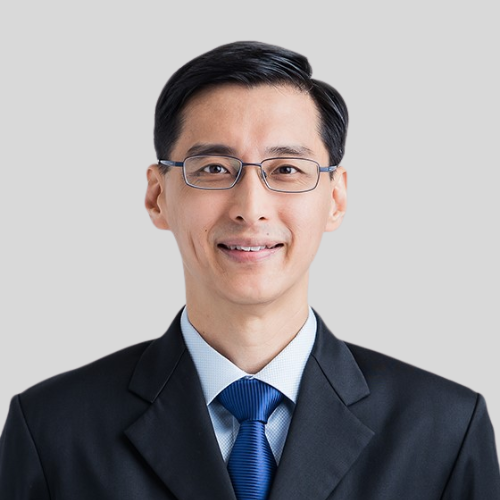
Adj A/Prof Wu Huei Yaw
Senior Consultant, Palliative & Supportive Care, Woodlands Health; Adjunct Associate Professor, Lee Kong Chian School of Medicine, Nanyang Technological University
Profile
Adj A/Prof Wu Huei Yaw is Senior Consultant in Palliative & Supportive Care at Woodlands Health. He graduated from the National University of Singapore in 1993 and completed specialist training in Geriatric Medicine before switching to Palliative Medicine in 2007.
Adj A/Prof Wu has extensive experience in the care of older persons and individuals with serious illness. He is the clinician lead for the Leaving Well Working Committee in NHG Health and sits in the Clinical Ethics Committee of Woodlands Hospital. In addition to his clinical leadership roles, he serves as an Adjunct Associate Professor at the Lee Kong Chian School of Medicine, contributing to the education and development of future healthcare professionals.
Profile
Adj A/Prof Wu Huei Yaw is Senior Consultant in Palliative & Supportive Care at Woodlands Health. He graduated from the National University of Singapore in 1993 and completed specialist training in Geriatric Medicine before switching to Palliative Medicine in 2007.
Adj A/Prof Wu has extensive experience in the care of older persons and individuals with serious illness. He is the clinician lead for the Leaving Well Working Committee in NHG Health and sits in the Clinical Ethics Committee of Woodlands Hospital. In addition to his clinical leadership roles, he serves as an Adjunct Associate Professor at the Lee Kong Chian School of Medicine, contributing to the education and development of future healthcare professionals.
Panellist

A/Prof Brian David Earp
Associate Professor and Director of the Oxford-NUS Centre for Neuroethics and Society (OCNS) and the Experimental Bioethics, Artificial Intelligence, and Relational Moral Psychology (EARP) Lab, CBmE, NUS, Singapore
Profile
Associate Professor Brian D. Earp, PhD, is director of the Oxford-NUS Centre for Neuroethics and Society (OCNS) and the EARP Lab (Experimental Bioethics, Artificial Intelligence, and Relational Moral Psychology Lab) within the Centre for Biomedical Ethics, Yong Loo Lin School of Medicine, National University of Singapore (NUS). Brian is also an Associate Professor of Philosophy and of Psychology at NUS by courtesy.
Brian holds degrees from Yale, Oxford, and Cambridge Universities and is a Research Associate of the Uehiro Oxford Institute at the University of Oxford. Brian is also Associate Director of the Yale-Hastings Program in Ethics and Health Policy at Yale University and The Hastings Center, and is an elected member of the UK Young Academy under the auspices of the British Academy and the Royal Society.
Profile
Associate Professor Brian D. Earp, PhD, is director of the Oxford-NUS Centre for Neuroethics and Society (OCNS) and the EARP Lab (Experimental Bioethics, Artificial Intelligence, and Relational Moral Psychology Lab) within the Centre for Biomedical Ethics, Yong Loo Lin School of Medicine, National University of Singapore (NUS). Brian is also an Associate Professor of Philosophy and of Psychology at NUS by courtesy.
Brian holds degrees from Yale, Oxford, and Cambridge Universities and is a Research Associate of the Uehiro Oxford Institute at the University of Oxford. Brian is also Associate Director of the Yale-Hastings Program in Ethics and Health Policy at Yale University and The Hastings Center, and is an elected member of the UK Young Academy under the auspices of the British Academy and the Royal Society.

Dr Neeta Satkunanantham
Adjunct senior lecturer, Centre for Biomedical Ethics (CBmE),NUS, Singapore
Profile
Dr Neeta Satkunanantham is an adjunct senior lecturer in the Centre for Biomedical Ethics. She holds a MBBS from the National University of Singapore and a Masters in Bioethics from Monash University, Australia.
Neeta has been teaching in the Health Ethics, Law and Professionalism programme for medical undergraduates of the NUS YLLSOM since 2015. Prior to this, she was a Resident Physician in the Department of Anaesthesiology, Tan Tock Seng Hospital, where she also served on the hospital’s Clinical Ethics Committee.
Profile
Dr Neeta Satkunanantham is an adjunct senior lecturer in the Centre for Biomedical Ethics. She holds a MBBS from the National University of Singapore and a Masters in Bioethics from Monash University, Australia.
Neeta has been teaching in the Health Ethics, Law and Professionalism programme for medical undergraduates of the NUS YLLSOM since 2015. Prior to this, she was a Resident Physician in the Department of Anaesthesiology, Tan Tock Seng Hospital, where she also served on the hospital’s Clinical Ethics Committee.
Dr Kumudhini Rajasegaran
Senior Consultant, Adolescent Medicine Service, KK Women’s and Children’s Hospital; Adjunct Assistant Professor, Duke-NUS Medical School
Profile
Dr. Kumudhini Rajasegaran is a paediatrician and Senior Consultant in the Adolescent Medicine Service at KK Women’s and Children’s Hospital (KKH). Dr. Kumu is also a member of the Clinical Ethics Committee at KKH, one of the lead clinicians of the Suspected Child Abuse and Neglect Team, and an Adjunct Assistant Professor at Duke-NUS Medical School and the Lee Kong Chian School of Medicine, NTU.
She received her medical training at University College Dublin, Ireland. Dr. Kumu successfully developed Adolescent Medicine as a distinct subspecialty and multidisciplinary service. She also played a key role in the development and growth of specialised obesity and eating disorder programmes within KKH.
She has been involved in projects aimed at strengthening communication and collaboration across community resources and government agencies to improve care for children and adolescents. She currently serves as Vice Chair of the Clinical Ethics Committee at KKH.
Profile
Dr. Kumudhini Rajasegaran is a paediatrician and Senior Consultant in the Adolescent Medicine Service at KK Women’s and Children’s Hospital (KKH). Dr. Kumu is also a member of the Clinical Ethics Committee at KKH, one of the lead clinicians of the Suspected Child Abuse and Neglect Team, and an Adjunct Assistant Professor at Duke-NUS Medical School and the Lee Kong Chian School of Medicine, NTU.
She received her medical training at University College Dublin, Ireland. Dr. Kumu successfully developed Adolescent Medicine as a distinct subspecialty and multidisciplinary service. She also played a key role in the development and growth of specialised obesity and eating disorder programmes within KKH.
She has been involved in projects aimed at strengthening communication and collaboration across community resources and government agencies to improve care for children and adolescents. She currently serves as Vice Chair of the Clinical Ethics Committee at KKH.
Chairpersons
To be confirmed.
Speakers
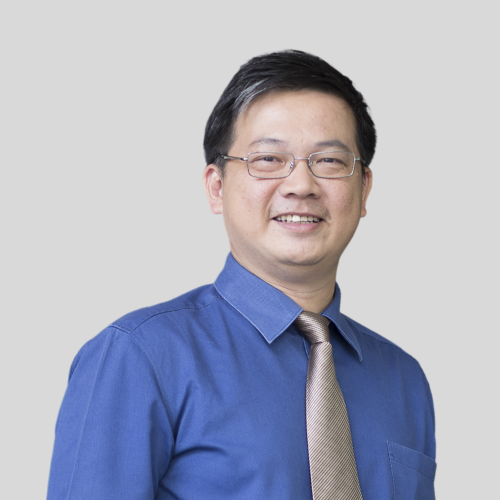
Professor Gary Chan
Professor of Law, Yong Pung How School of Law, Singapore Management University; specialising in Tort law, Health Law, Ethics, and the Singapore Legal System
Profile
Gary Chan is Professor of Law, Yong Pung How School of Law, Singapore Management University. His main research areas are Tort Law, Health Law, Ethics, and the Singapore Legal System. His publications have appeared in Cambridge Law Journal, Computer & Security Law Review, Journal of Business Ethics, Law Quarterly Review, Legal Studies, Melbourne University of Law Review, Singapore Academy of Law Journal, Singapore Journal of Legal Studies, and Torts Law Journal. Gary’s work has been cited by the Singapore Court of Appeal and the Federal Court of Malaysia. Recent publications have focused largely on torts, mental health law as well as AI in healthcare and employment. He serves as a civilian panel member of the Singapore Military Court of Appeal and is involved in committee work and panels for external agencies such as the Ministry of Health and the Singapore Academy of Law. Gary has also taught various postgraduate and undergraduate courses including those relating to the law of torts, business defamation, health law and medical ethics.
Profile
Gary Chan is Professor of Law, Yong Pung How School of Law, Singapore Management University. His main research areas are Tort Law, Health Law, Ethics, and the Singapore Legal System. His publications have appeared in Cambridge Law Journal, Computer & Security Law Review, Journal of Business Ethics, Law Quarterly Review, Legal Studies, Melbourne University of Law Review, Singapore Academy of Law Journal, Singapore Journal of Legal Studies, and Torts Law Journal. Gary’s work has been cited by the Singapore Court of Appeal and the Federal Court of Malaysia. Recent publications have focused largely on torts, mental health law as well as AI in healthcare and employment. He serves as a civilian panel member of the Singapore Military Court of Appeal and is involved in committee work and panels for external agencies such as the Ministry of Health and the Singapore Academy of Law. Gary has also taught various postgraduate and undergraduate courses including those relating to the law of torts, business defamation, health law and medical ethics.
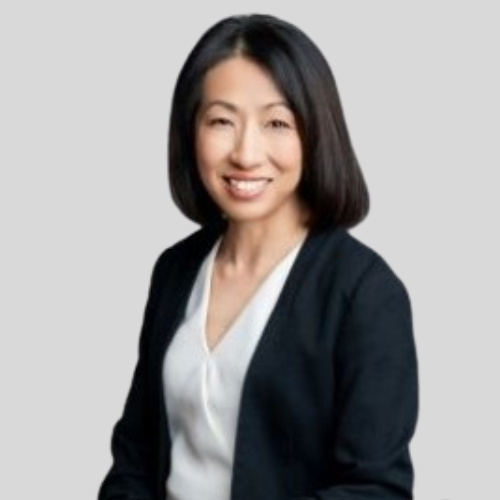
A/Prof Ng Kar Hui
Director, National University Centre for Genomic Medicine, National University Hospital; Associate Professor, Department of Paediatrics, Yong Loo Lin School of Medicine, National University of Singapore; Senior Consultant, National University Hospital
Profile
A/Prof Ng Kar Hui is a paediatric nephrologist and clinical academic whose work bridges kidney medicine and genomics. She obtained her Master of Medicine (Paediatrics) and is a Fellow of the Royal College of Paediatrics and Child Health (UK). She is accredited by the Ministry of Health, Singapore, as a specialist in Paediatric Medicine and Paediatric Nephrology. Her clinical practice spans the full spectrum of paediatric nephrology, including dialysis and kidney transplantation. She has interests in genetic kidney diseases and dialysis in young children, and cares for patients in the Kidney Genetics Clinic as well as expectant couples in the Fetal Kidney Clinic.
Following a two-year research fellowship at Boston Children’s Hospital, supported by the Singapore National Medical Research Council, A/Prof Ng established one of Singapore’s earliest research programmes on the genetics of kidney disease. She founded the DRAGoN (Deciphering Diversities: Renal Asian Genetics Network) collaborative network to study genetic kidney disorders across South Asia and has served as Principal Investigator on multiple nationally competitive grants, including the Clinician Scientist Award. She also founded and leads the Renal Alliance for PrecIsion Diagnosis in Singapore (RAPIDS), a multi-institutional, multidisciplinary consortium of kidney and genomics experts focused on implementing genomic medicine in routine kidney care.
A/Prof Ng is a Subject Editor for the journal Nephrology and has authored numerous peer reviewed publications and book chapters. She is frequently invited to speak at international medical conferences. As an Education Ambassador for the International Society of Nephrology, she regularly teaches paediatric nephrology in under resourced settings across Asia.
A dedicated educator, she teaches paediatrics and nephrology to medical students and trainees and is a two-time recipient of the NUS Faculty Teaching Excellence Award. She currently serves on the Paediatric Medicine Resident Advisory Committee and the Clinical Ethics Committee at NUH and leads efforts in the clinical implementation of genomic medicine across the National University Health System.
She now serves as Director of the National University Centre for Genomic Medicine (NUGEM), where she is responsible for advancing genomics and precision medicine to benefit patients and families across NUHS.
Profile
A/Prof Ng Kar Hui is a paediatric nephrologist and clinical academic whose work bridges kidney medicine and genomics. She obtained her Master of Medicine (Paediatrics) and is a Fellow of the Royal College of Paediatrics and Child Health (UK). She is accredited by the Ministry of Health, Singapore, as a specialist in Paediatric Medicine and Paediatric Nephrology. Her clinical practice spans the full spectrum of paediatric nephrology, including dialysis and kidney transplantation. She has interests in genetic kidney diseases and dialysis in young children, and cares for patients in the Kidney Genetics Clinic as well as expectant couples in the Fetal Kidney Clinic.
Following a two-year research fellowship at Boston Children’s Hospital, supported by the Singapore National Medical Research Council, A/Prof Ng established one of Singapore’s earliest research programmes on the genetics of kidney disease. She founded the DRAGoN (Deciphering Diversities: Renal Asian Genetics Network) collaborative network to study genetic kidney disorders across South Asia and has served as Principal Investigator on multiple nationally competitive grants, including the Clinician Scientist Award. She also founded and leads the Renal Alliance for PrecIsion Diagnosis in Singapore (RAPIDS), a multi-institutional, multidisciplinary consortium of kidney and genomics experts focused on implementing genomic medicine in routine kidney care.
A/Prof Ng is a Subject Editor for the journal Nephrology and has authored numerous peer reviewed publications and book chapters. She is frequently invited to speak at international medical conferences. As an Education Ambassador for the International Society of Nephrology, she regularly teaches paediatric nephrology in under resourced settings across Asia.
A dedicated educator, she teaches paediatrics and nephrology to medical students and trainees and is a two-time recipient of the NUS Faculty Teaching Excellence Award. She currently serves on the Paediatric Medicine Resident Advisory Committee and the Clinical Ethics Committee at NUH and leads efforts in the clinical implementation of genomic medicine across the National University Health System.
She now serves as Director of the National University Centre for Genomic Medicine (NUGEM), where she is responsible for advancing genomics and precision medicine to benefit patients and families across NUHS.
Panellist
To be confirmed.
Chairpersons
To be confirmed.
Continuing Professional Education
All participating doctors, nurses, and pharmacists are eligible for MME CME/CPE points. Approval is currently pending.
Conference Venue
Public Transport Information
Nearest MRT Station: Kent Ridge (CC24)
Take Exit B
→ Take Bus 200 from Kent Ridge Stn Exit B bus stop
→ Opp Heng Mui Keng Terrace
→ short 5-minute walk to Shaw Foundation Alumni House
Nearest MRT Station: Kent Ridge (CC24)
Take Exit B
→ Take Bus 200 from Kent Ridge Stn Exit B bus stop
→ Opp Heng Mui Keng Terrace
→ short 5-minute walk to Shaw Foundation Alumni House
Parking Information
Guests arriving by car can park directly opposite Kent Ridge Guild House at Car Park 15.
Guests arriving by car can park directly opposite Kent Ridge Guild House at Car Park 15.
Seats are limited. Registration is offered at no charge and is subject to confirmation.
Contact Persons
Ms Fion Lai
Ms Gayathriy D/O Rajoo Muthukrishnan
Ms Sabikun Nahar Luna